
By HIGHLAND Spices – From the Cardamom Hills of Idukki
Introduction: What Defines High-Quality Green Cardamom?
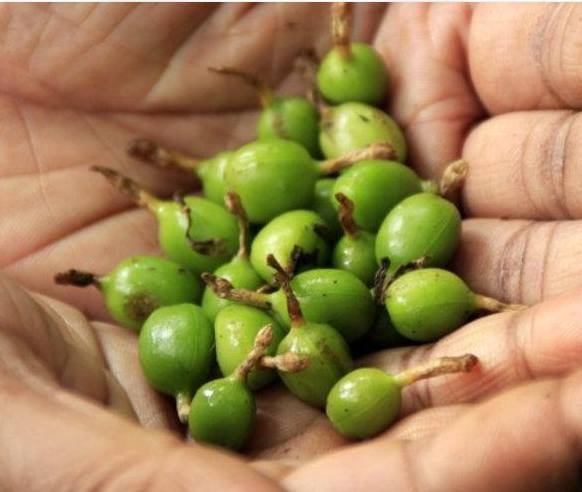
Green cardamom is one of the most valued aromatic spices in the international spice trade. Often called the Queen of Spices, it is recognised for its distinctive fragrance, naturally occurring essential oils and characteristic sweet, refreshing flavour.
Among India’s recognised cardamom varieties, Alleppey Green Cardamom holds a distinctive position because of its geographical identity and traditional association with Kerala’s high-range spice-growing regions.
However, identifying premium-quality cardamom requires more than simply looking at the size or colour of the pods.
Two cardamom consignments may look similar at first glance but differ considerably in aroma, seed development, moisture, bulk density, cleanliness and storage condition.
For retailers, wholesalers, exporters, importers and speciality spice businesses, understanding these differences is essential when purchasing green cardamom.
At HIGHLAND Spices, we believe that informed purchasing begins with understanding the product itself. This guide explains 15 important quality parameters that help buyers evaluate Alleppey Green Cardamom and make more confident sourcing decisions.
1. Pod Size and Diameter
Pod size is among the most immediately noticeable characteristics of commercial green cardamom. Cardamom is commonly classified according to pod diameter, expressed in millimetres. Common commercial size specifications include:
| Size specification | Commercial description |
| 8.5 mm and above | Speciality extra-large |
| 8 mm and above | Extra-large selection |
| 7–8 mm | Large-sized |
| 6–7 mm | Medium-sized |
| 5–6 mm | Small-sized |
| Below 5 mm | Very small-sized |
Larger pods are often preferred in premium retail and speciality markets because of their attractive appearance.
Buyer consideration: Check the actual size distribution rather than relying solely on the grade printed on the packaging.
2. Natural Green Colour
Natural green colour is an important visual indicator of cardamom quality and commercial presentation. High-quality green cardamom generally displays an attractive green appearance with reasonably consistent colour across the lot.
Colour can be influenced by:
- Harvest maturity.
- Drying temperature.
- Drying duration.
- Handling and storage conditions.
- Exposure to sunlight and moisture.
A uniformly green appearance is desirable, but unusually bright or artificial-looking colour should be investigated rather than automatically considered superior.
Buyer consideration: Look for natural colour consistency without evidence of artificial colouring or excessive discolouration.
3. Pod Fullness and Physical Development
A well-developed cardamom pod generally contains properly formed seeds within its outer husk. Pod fullness is an important consideration when assessing the physical quality of a commercial lot. Poorly developed pods may contain fewer seeds or have an unusually lightweight structure.
Buyers should examine:
- Seed development.
- Pod structure.
- Internal fullness.
- Proportion of empty pods.
- Uniformity of maturity.
Buyer consideration: Randomly open a representative sample of pods to examine their internal seed development.
4. Aroma and Fragrance
Aroma is one of the defining characteristics of premium green cardamom. Its characteristic fragrance comes from naturally occurring volatile aromatic compounds present in the pods and seeds. Important aromatic constituents include:
| Compound | General aromatic character |
| 1,8-Cineole | Fresh, eucalyptus-like |
| α-Terpinyl acetate | Sweet, floral and cardamom-like |
| Linalool | Floral |
| Linalyl acetate | Sweet, floral |
The relative proportions of these compounds influence the overall aromatic profile.
Fresh, characteristic fragrance is generally desirable, whereas stale, musty or unusually weak aromas may indicate deterioration or unsuitable storage.
Buyer consideration: Evaluate the aroma of freshly opened pods, rather than relying exclusively on the external fragrance.
5. Seed Colour and Condition
The seeds inside green cardamom pods are an important component of the spice’s aromatic identity. Mature cardamom seeds generally have a dark brown to nearly black appearance.
Buyers should examine:
- Seed maturity.
- Seed uniformity.
- Internal development.
- Presence of damaged or deteriorated seeds.
- Unusual discolouration.
The seed condition should be assessed together with the pod’s physical condition and aroma.
Buyer consideration: A good external appearance should always be supported by satisfactory internal pod and seed development.
6. Bulk Density or Litre Weight
Bulk density is an important parameter in commercial cardamom transactions. It refers to the weight of cardamom pods occupying a measured volume and is commonly expressed in grams per litre.
Traditional reference values include:
| Traditional grade | Reference bulk density |
| AGEB | 435 g/L |
| AGB | 415 g/L |
| AGS | 385 g/L |
| AGS-1 | 350 g/L |
| AGS-2 | 320 g/L |
These are traditional grade reference figures, not universal quality guarantees.
Bulk density can be influenced by pod size, fullness, moisture and the method of measurement.
Buyer consideration: Request a measured litre-weight value and ensure the measurement method is consistent between suppliers.
7. Moisture Content
Moisture content is one of the most important parameters influencing the storage stability of green cardamom. Excessive moisture can encourage mould development, deterioration and loss of commercial quality. Over-drying, on the other hand, may affect the physical condition of the pods. For many commercial cardamom specifications, moisture limits are set around 10–12%, depending on the applicable standard and contractual requirements. The precise acceptable limit should be confirmed against the relevant product standard and destination-market requirements.
Buyer consideration: Request a moisture analysis report for bulk purchases and export consignments.
8. Volatile Oil Content
The characteristic aroma of green cardamom is associated with its volatile oil composition. Volatile oil content is an important analytical quality parameter and is influenced by:
- Genetic characteristics.
- Growing conditions.
- Harvest maturity.
- Drying practices.
- Storage duration.
- Packaging conditions.
The GI product specification for Alleppey Green Cardamom reports a volatile oil content range of approximately 7.5–11.3%. This is a geographical product specification reference and should not be assumed to apply to every individual consignment.
Buyer consideration: For technical purchasing requirements, request laboratory analysis rather than estimating volatile oil content through appearance or aroma alone.
9. Pod Shape and Structural Integrity
Alleppey Green Cardamom has a characteristic three-sided, ribbed pod structure. A well-formed pod generally displays:
- Recognisable three-sided structure.
- Distinct longitudinal ribs.
- Intact outer husk.
- Properly developed shape.
- Minimal physical damage.
Deformed or crushed pods may affect the visual quality and commercial presentation of a consignment.
Buyer consideration: Examine a representative sample for structural uniformity and pod integrity.
10. Percentage of Split and Open Pods
Split and open pods are important considerations in whole-cardamom grading. They may result from harvesting, handling, drying, mechanical processing or transportation.
An excessive proportion of split pods can affect:
- Product appearance.
- Seed protection.
- Aroma retention.
- Retail presentation.
- Commercial grade compliance.
Buyer consideration: Ask the supplier for the permitted percentage of split and open pods in the agreed specification.
11. Foreign Matter and Cleanliness
Cleanliness is particularly important for premium retail products and international shipments.
Foreign matter may include:
- Dust and soil particles.
- Dried stalks.
- Plant residues.
- Stones.
- Other extraneous materials.
Mechanical cleaning, sieving and manual inspection are commonly used to improve the cleanliness of cardamom lots.
Buyer consideration: Verify foreign matter levels through sampling and, where required, laboratory testing.
12. Presence of Insect Damage
Insect damage can affect the physical and commercial condition of stored cardamom. Possible signs include:
- Small holes in the outer pod.
- Powdery residues.
- Unusual internal damage.
- Presence of insects or larvae.
- Deteriorated seeds.
Proper drying, hygienic storage, pest monitoring and suitable packaging help protect cardamom during storage and transportation.
Buyer consideration: Inspect representative samples and ensure suitable warehouse hygiene and pest-control practices.
13. Drying Quality and Processing Condition
Drying is a critical stage in cardamom processing. Freshly harvested cardamom pods contain considerable moisture and must be dried under controlled conditions to achieve the required storage stability.
Important considerations include:
- Drying temperature.
- Drying duration.
- Uniformity of drying.
- Final moisture content.
- Colour retention.
- Prevention of contamination.
Improper drying can contribute to discolouration, poor storage stability and deterioration of aromatic quality.
Buyer consideration: Understand the supplier’s harvesting, drying and post-harvest handling practices.
14. Storage and Packaging Quality
Even good-quality cardamom can deteriorate when stored under unsuitable conditions.
Exposure to moisture, heat, oxygen and direct sunlight can affect colour, aroma and product stability.
Suitable packaging should help protect the pods against:
- Moisture absorption.
- External contamination.
- Physical damage.
- Excessive exposure to air.
- Loss of characteristic aroma.
Food-grade, moisture-resistant packaging and appropriate warehouse conditions are important for preserving product quality.
Buyer consideration: Check packaging material, sealing quality, batch identification and storage conditions.
15. Origin, Traceability and GI Identity
The geographical origin of cardamom is an important consideration in premium spice sourcing. Alleppey Green Cardamom is a GI-recognised product associated with Kerala’s traditional cardamom-growing region. GI recognition establishes a geographical product identity and defined characteristics. It should not be confused with an individual supplier’s quality certification or a guarantee that every batch meets identical analytical values.
For buyers, traceability should include:
- Sourcing region.
- Supplier or producer identification.
- Harvest or crop period.
- Batch or lot number.
- Processing and drying information.
- Packing date.
- Relevant quality test reports.
Buyer consideration: Choose suppliers who can provide clear product identification and reliable batch-level documentation.
16. Quality Inspection Checklist for Cardamom Buyers
The following checklist can help buyers conduct a preliminary evaluation before placing an order.
| No. | Quality parameter | What to verify |
| 1 | Pod size | Diameter and size distribution |
| 2 | Colour | Natural green appearance |
| 3 | Pod fullness | Properly developed pods |
| 4 | Aroma | Fresh characteristic fragrance |
| 5 | Seed condition | Mature, well-developed seeds |
| 6 | Bulk density | Measured litre weight |
| 7 | Moisture | Laboratory-tested moisture |
| 8 | Volatile oil | Analytical test where required |
| 9 | Shape | Proper pod structure |
| 10 | Split pods | Percentage of damaged pods |
| 11 | Cleanliness | Foreign matter percentage |
| 12 | Insect damage | Absence of infestation |
| 13 | Drying | Appropriate processing |
| 14 | Packaging | Suitable food-grade protection |
| 15 | Traceability | Origin and batch documentation |
17. Laboratory Tests Recommended for Professional Buyers and Importers
Visual inspection is useful for preliminary assessment, but laboratory testing is necessary for verifying several technical quality parameters.
Depending on the destination market and buyer requirements, the following tests may be considered.
| Laboratory test | What it evaluates |
| Moisture content | Moisture level in the product |
| Volatile oil | Aromatic oil content |
| Bulk density | Weight per unit volume |
| Extraneous matter | Foreign material |
| Pesticide residue | Compliance with applicable residue limits |
| Microbiological analysis | Relevant microbial parameters |
| Heavy metals | Specified contaminant levels |
| Aflatoxins | Mycotoxin contamination where applicable |
For international consignments, buyers should establish testing requirements according to the destination country’s regulations and contractual specifications.
A Certificate of Analysis (COA) should ideally identify the relevant batch or lot number to establish traceability between the tested sample and the supplied consignment.
18. Common Mistakes Buyers Should Avoid
Even experienced spice buyers can make mistakes when evaluating green cardamom.
Here are some common purchasing misconceptions:
Mistake 1: Assuming bigger pods always mean better quality.
Pod size is only one grading parameter. Aroma, moisture, seed development and cleanliness must also be considered.
Mistake 2: Judging quality only by green colour.
Natural colour is important, but colour alone cannot establish the complete quality of a cardamom lot.
Mistake 3: Ignoring moisture content.
Excessive moisture can compromise storage stability even when the pods look attractive.
Mistake 4: Purchasing without checking bulk density.
Two consignments with similar pod sizes may differ in their physical fullness and litre weight.
Mistake 5: Overlooking batch traceability.
Without appropriate batch identification, buyers may find it difficult to connect laboratory reports with the supplied goods.
Mistake 6: Confusing GI recognition with commercial grade.
GI recognition establishes geographical identity, whereas AGEB, AGB and AGS describe commercial grading classifications.
19. Why Choose HIGHLAND Spices for Alleppey Green Cardamom?
At HIGHLAND Spices, we believe that premium whole spices deserve careful attention at every stage, from sourcing and selection to processing and final packaging.
Nestled in Manjapetty, Nedumkandam, in Udumbanchola Taluk of Idukki District, Kerala, our brand reflects the authentic spice heritage of the high ranges.
Our focus is on offering carefully selected whole spices that reflect their natural identity, physical characteristics and distinctive aromatic qualities.
Our approach to green cardamom is centred on:
- Authentic Origin: A strong connection with the traditional spice-growing region of Idukki.
- GI Recognition: Alleppey Green Cardamom is among our GI-authorised products.
- Grade-Based Selection: Attention to pod size and physical specifications.
- Quality Inspection: Focus on appearance, cleanliness and product condition.
- Careful Processing: Attention to post-harvest handling and preservation.
- Fresh Packaging: Packaging designed to help preserve the characteristic aroma and quality of whole spices.
- Customer Commitment: Serving retail customers, wholesale buyers and international business partners.
HIGHLAND Spices is a Trade Mark Registered Brand, dedicated to presenting the distinctive whole-spice heritage of Kerala to customers across India and around the world.
HIGHLAND Spices – Finest Spices from the Misty Highlands of Idukki, Kerala.
20. Frequently Asked Questions
1. How can I identify premium green cardamom?
Look for naturally green, well-developed pods with characteristic fragrance, good seed development, appropriate moisture, low foreign matter and minimal physical damage.
2. Which is the highest grade of Alleppey Green Cardamom?
AGEB (Alleppey Green Extra Bold) is traditionally regarded as the premium size-based export grade, with a minimum pod diameter of 7 mm.
3. Is 8.5 mm cardamom considered premium?
Yes, 8.5 mm and above is commonly marketed as a speciality extra-large commercial selection. However, it is an additional market specification rather than a separate traditional AGEB designation.
4. What is the ideal moisture content of green cardamom?
The acceptable moisture limit depends on the applicable standard and purchasing specification. Commercial requirements commonly specify limits around 10–12%, but buyers should verify the relevant standard and contractual requirement.
5. What is the importance of volatile oil in cardamom?
Volatile oil contains aromatic compounds that contribute to cardamom’s characteristic fragrance and flavour. It is an important analytical parameter when evaluating spice quality.
6. Why is cardamom bulk density important?
Bulk density indicates the weight of pods in a measured volume. It helps buyers compare physical characteristics and assess whether a lot meets the agreed grade specification.
7. Does GI certification guarantee premium quality?
GI recognition establishes the geographical identity and defined characteristics of the registered product. Individual consignments still require quality inspection and compliance verification.
8. How should green cardamom be stored?
Store in suitable airtight packaging in a cool, dry environment, away from moisture, excessive heat and direct sunlight.
9. What documents should exporters provide?
Depending on the destination market, buyers may require a commercial invoice, packing list, Certificate of Analysis, phytosanitary certificate, certificate of origin and applicable food-safety or regulatory documentation.
10. Can cardamom grades be customised for bulk orders?
Yes. Suppliers and buyers can agree on specific pod-size distribution, colour, moisture, bulk density, cleanliness and other quality requirements before confirming a bulk order.